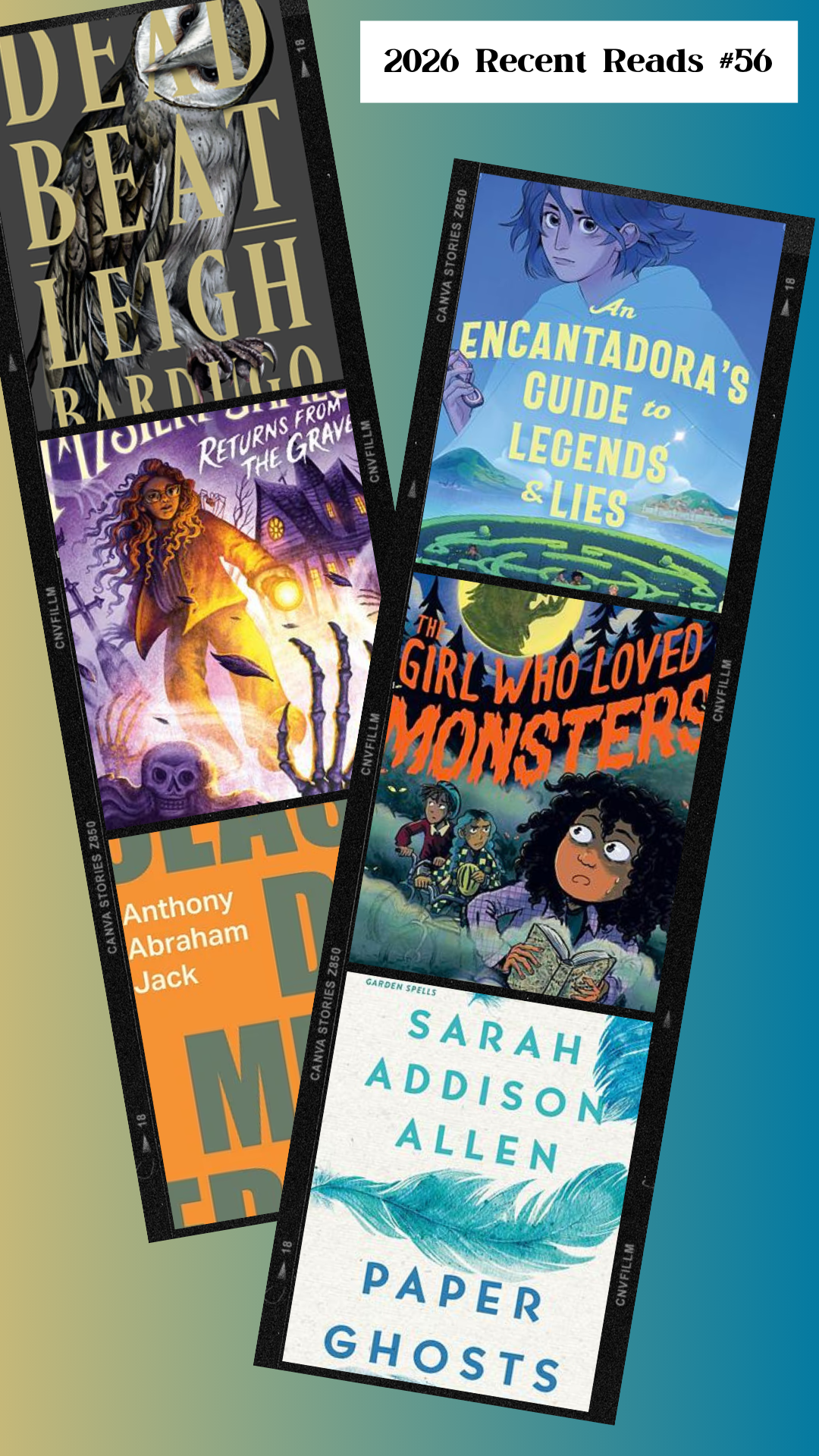

With this book, the trilogy returned to the height of the first book in the series. I found the direction Bardugo took the story fascinating because the story in the finale became far more expansive than what was introduced in the first book. I also see the odds and ends that the author left in for the original idea that the series would last longer than three books in the way that she wrapped up the story with just a few breadcrumbs, remaining tantalizing the reader with what could’ve been.
I really do not think that this mystery story needed a sequel. A lot of the different plot beats of this mystery did not feel cohesive or necessary. At one point I even wondered about the timing because the author clearly established that the sequel takes place months after the events of book one and yet somehow one of the culprits in book one is still in the hospital because of his injury, a broken leg, from those escapades. The plot definitely got murky at that point. The mystery itself also had plenty of holes in it, which made for a less satisfying reading experience.


From the subtitle, I did not think that this book’s focus would be on the effects of the Covid pandemic. I also do not think that that the author originally intended to have this sort of focus when they started writing but the pandemic through a wrench in their plans. All of the different effects of the various lockdowns and other measures put in place heightened the inequalities that the author set out to analyze and discuss which made their research strong and impactful. Even though this book focuses on higher education, I can definitely see how that also played out and continues to play out at my own public middle school level. I definitely recommend this book.
This book did not feel connected at all to the first book. I wish I had read the two books closer together, so that I could remember more of the characterization. Even so, I wish that the author had included more references to the events in the first book and how they shaped the main character and the other characters as well. Because the author did not, I found it difficult to engage with the narrative. While not a bad book, I do not think that this was a good sequel.


The narrative inside this book did not really match the title, even though the author brings in the title towards the end of the story, tying it to the main character. This book felt like a set up for a series, but also one set in an already established world due to how the character interacts with two other characters who apparently she used to be super close friends with. We our style also was not my particular favorite. I think some middle school readers may enjoy this, but I do not think it will be popular on my shelves.
I had hoped for another repeat of the first book that I read from Allen, but this book did not quite live up to that. I did not mind the generational story format in which about a third of the book is narrated by one character before shifting to a small portion narrated by the very young version of the first character‘s granddaughter, and then spends the majority of the book in the perspective of that granddaughter throughout years spanning from senior in high school till about age 26. Allen has a way of weaving the magical realism into the narrative in a believable way that propels the characters to examine the choices they’re making. This book lost me though (not completely) when events took a turn, and it felt like a domestic thriller, almost. That genre is not Allen’s forte. I still think she is an extremely talented writer, but this is not my favorite work from her.

Leave a Reply